
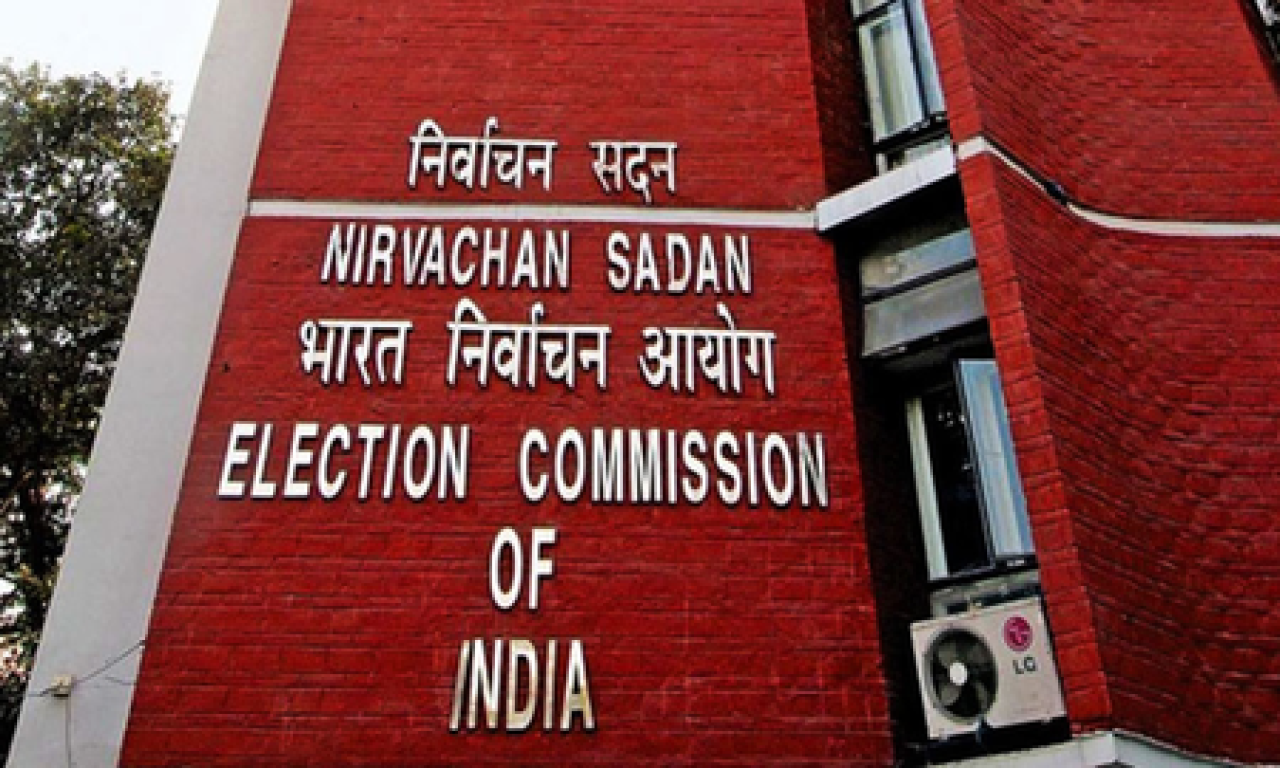

New Delhi, April 15: The preparations for the 2026 assembly elections and by-elections are gaining momentum. The Election Commission of India (ECI) has commenced the distribution of Voter Information Leaflets (VILs) for the first phase of elections in Tamil Nadu and West Bengal.
Voting in these states is scheduled for April 23. This initiative by the commission is seen as a significant step towards making the electoral process smooth, transparent, and voter-friendly.
The Voter Information Leaflet contains essential details for voters, such as their name, polling station location, voting date and time, along with a map for easy access to the polling booth.
Additionally, the leaflet includes a list of dos and don’ts to help voters avoid any inconvenience on election day. Promoting the use of modern technology, a QR code has been added to the VIL, enabling voters to quickly and easily verify their details. This will also help reduce crowding at polling booths and expedite the process.
The commission had previously issued directives to make the Voter Information Leaflets more readable and accessible. Accordingly, the voter’s part number and serial number are being printed in clear, large letters to avoid any identification issues. These improvements will be particularly beneficial for senior citizens and first-time voters.
The distribution of these leaflets is being carried out door-to-door by Booth Level Officers (BLOs). The commission has mandated that this process be completed for all registered voters at least five days before the election day. During this period, Booth Level Agents (BLAs), candidates, or their authorized representatives may also accompany the BLOs to ensure transparency.
To facilitate voters, the commission has ensured that VILs are published only in the languages available in the respective assembly constituency’s voter list. Moreover, special measures have been taken to enhance the participation of persons with disabilities. Accessible Voter Information Leaflets in Braille are also being provided for visually impaired voters, allowing them to participate independently in the voting process.
However, the commission has clarified that the Voter Information Leaflet alone will not be accepted as proof of identity. Voters must bring one of the 12 other approved identification documents, in addition to their EPIC (Electoral Photo Identity Card), to vote.
Furthermore, any unauthorized distribution or possession of Voter Information Leaflets or other electoral materials will be considered a violation of the Representation of the People Act, 1951, and the Indian Penal Code (IPC), which may result in imprisonment, fines, or both.
This distribution campaign of Voter Information Leaflets is a crucial step towards making the electoral process more organized, transparent, and inclusive, enabling more voters to be aware and exercise their voting rights.

Leave a Comment