
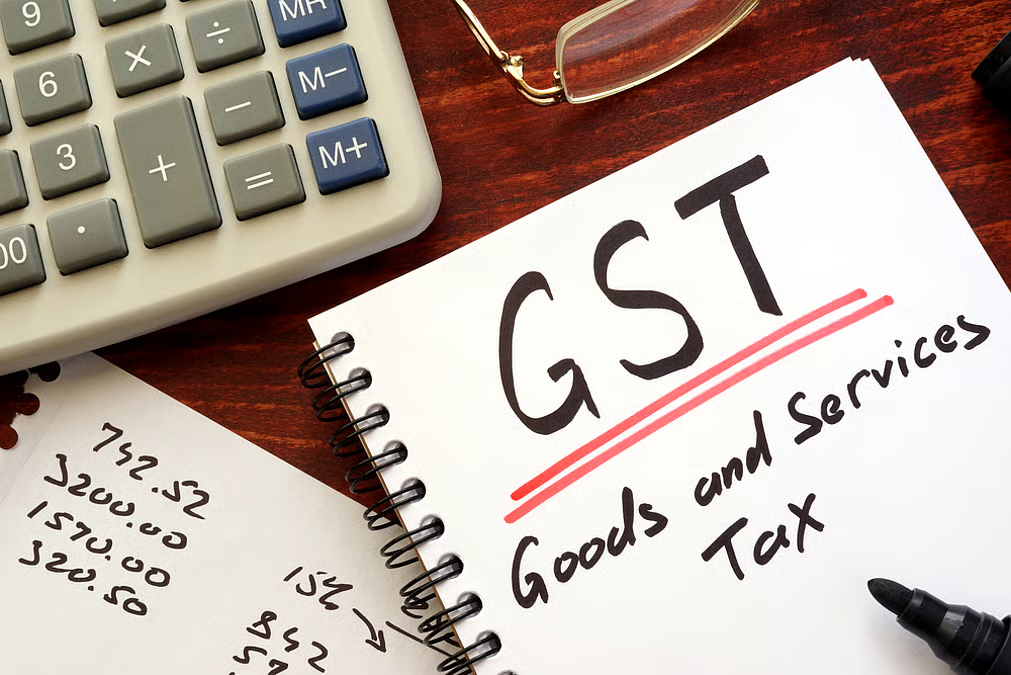
New Delhi, September 4 (Kiran News): The 56th meeting of the GST Council, chaired by Finance Minister Nirmala Sitharaman, has approved major changes to Goods and Services Tax (GST) slabs. The existing 28% and 12% categories have been removed, with a new structure of 5% and 18% introduced. The revised rates will come into effect from September 22, 2025, coinciding with the beginning of Navratri.
What Gets Cheaper
Everyday essentials and several key goods have been moved to the 5% GST slab. These include:
-
Personal care & household products: Oil, shampoo, toothpaste, toilet soap, toothbrush, shaving cream.
-
Dairy products: Butter, ghee, paneer.
-
Packaged items & utilities: Namkeen, utensils, baby napkins and diapers, sewing machines, eyeglasses, children’s stationery.
-
Medical & health items: Thermometers, small medical equipment, life insurance.
-
Agriculture equipment: Hand pumps, drip irrigation equipment, sprinkler nozzles, soil-preparation machinery, harvesting and threshing equipment.
-
Automobiles: Small cars, 3-wheelers, and bikes up to 325cc will now attract 18% instead of 28%. This includes petrol (up to 1200cc), petrol hybrid, LPG, CNG cars, and diesel vehicles up to 1500cc.
-
Electronics: Air conditioners, televisions above 32 inches, monitors, projectors, and dishwashers now fall under 18% GST instead of 28%.

What Gets Costlier
Certain luxury and high-consumption items will now attract higher GST rates:
-
40% GST slab: Soft drinks, added-sugar products, large vehicles (petrol above 1200cc, diesel above 1500cc, vehicles longer than 4 metres), bikes above 350cc, and racing cars.
-
Other costly items: Non-alcoholic beverages, tobacco, cigarettes, entry tickets to sporting events, luxury cars, as well as revolvers and pistols.
The government said the rationalisation aims to stabilise prices, reduce inflationary pressure, and make essential items more affordable for the public while placing higher taxes on luxury and non-essential goods.


My name is Bhupendra Singh Chundawat. I am an experienced content writer with several years of expertise in the field. Currently, I contribute to Daily Kiran, creating engaging and informative content across a variety of categories including technology, health, travel, education, and automobiles. My goal is to deliver accurate, insightful, and captivating information through my words to help readers stay informed and empowered.


Leave a Comment