
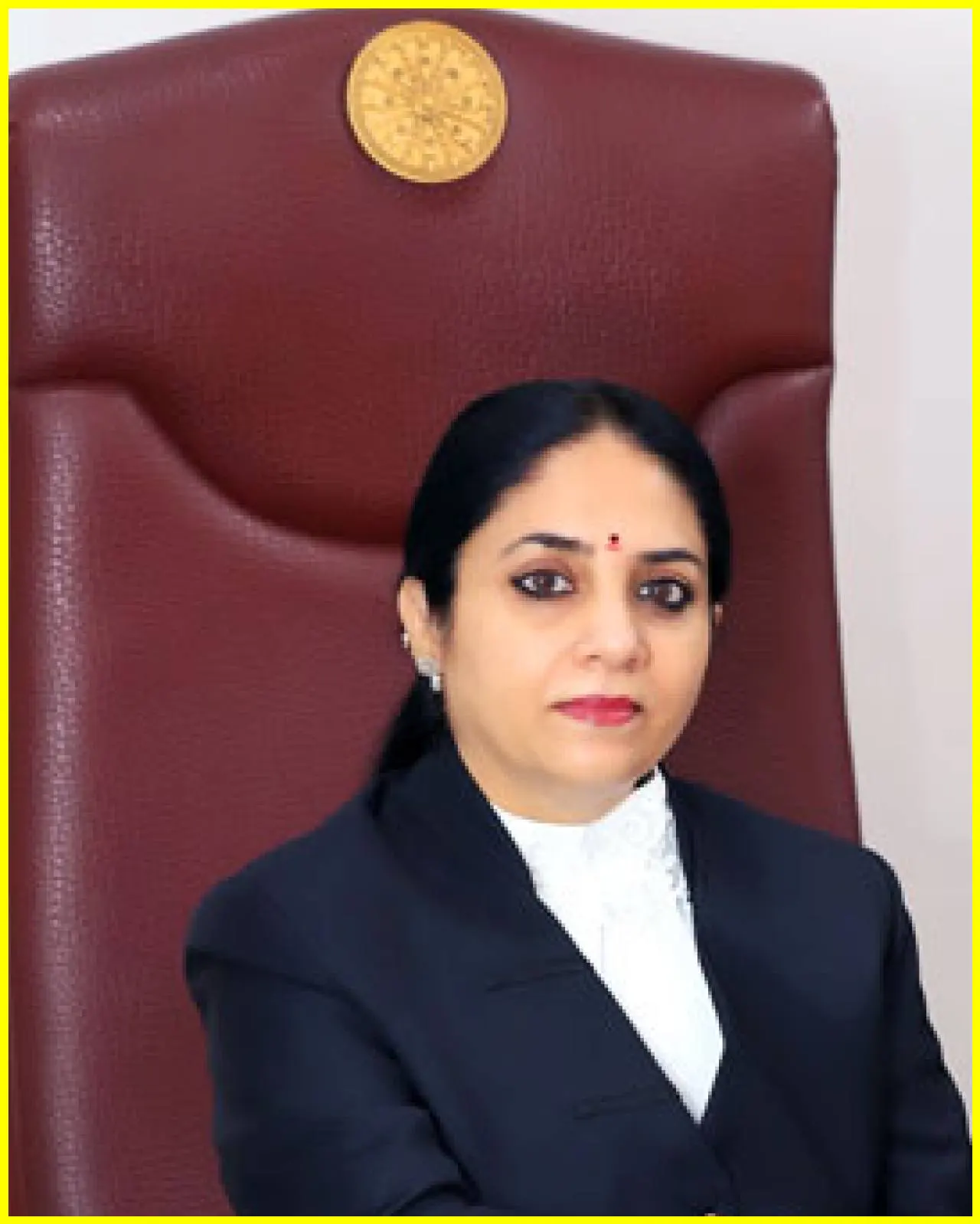
New Delhi, April 20: Justice Swarna Kanta Sharma of the Delhi High Court dismissed a plea on Monday from Arvind Kejriwal, the national convenor of the Aam Aadmi Party (AAP), requesting her recusal from hearing cases related to the alleged Delhi Excise Policy scandal.
In her ruling, Justice Sharma stated that it would have been easier to withdraw from the case without hearing the application. However, she chose to make a decision based on the merits of the case in the interest of institutional integrity.
She noted that as she began to write her judgment, silence fell in the courtroom. The issue at hand was not merely a legal question but one that put both the judge and the institution to the ‘test.’
The Delhi High Court reiterated that a judge’s impartiality is presumed until solid evidence to the contrary is presented. A judge cannot be removed from a case based solely on a party’s apprehensions or personal beliefs.
Justice Sharma emphasized that no party should be allowed to create a situation that undermines the judicial process. Lies, whether repeated in court or on social media, do not become truth.
Responding to allegations made by Kejriwal, the judge stated that there was no evidence to support claims of bias, including accusations related to her participation in events organized by the Bar Council or the professional engagements of her family members.
Justice Sharma clarified that these incidents were not political. Just because she was invited to give a lecture does not mean she can be accused of political bias. Furthermore, no connection was established between the appointment of her relatives as government lawyers and this case.
Addressing accusations regarding the Supreme Court overturning her previous orders, the judge clarified that no adverse conclusions had been recorded against her decisions. Referring to cases involving AAP leaders like Manish Sisodia and Sanjay Singh, Justice Sharma stated that relief granted by the Supreme Court does not negate the arguments based on the merits of the case.
The Delhi High Court emphasized that interim relief had been granted to AAP leaders in earlier stages without any allegations of bias at that time.
Justice Sharma warned that removing a judge on such grounds could have serious constitutional implications and could erode public trust in the judiciary. The court cannot be a stage for perceptions. Accepting such applications would lead to ‘management of justice’ rather than the administration of justice.
Dismissing the allegations as ‘speculation and insinuation,’ the judge stated that there was no clear conflict of interest or solid basis for her recusal.
Justice Sharma noted that the plea for recusal was not supported by evidence. It came with doubts about her integrity and accusations. She further stated that a judge cannot abandon their judicial responsibility in the face of baseless allegations.
This development occurred amid proceedings in the Delhi High Court regarding a criminal revision petition filed by the Central Bureau of Investigation (CBI). The CBI challenged a lower court’s order that acquitted all 23 accused, including Kejriwal and former Deputy Chief Minister Manish Sisodia, in a corruption case linked to the now-repealed excise policy.
On March 9, Justice Sharma’s single bench issued notices to the accused in response to the CBI’s petition challenging the acquittal order by the Rouse Avenue court. She also stayed departmental action against a CBI officer involved in the investigation and adverse remarks made against the agency.
The Chief Justice of the Delhi High Court also rejected Kejriwal’s plea to transfer the CBI’s revision petition from Justice Sharma’s bench in the excise policy case. In a letter sent to Kejriwal, Chief Justice Devendra Kumar Upadhyaya stated that he saw no reason to assign the case to another bench.
The letter read, “According to the current roster, the petition has been assigned to the judge. The decision to recuse from any case lies with the judge. However, I see no reason to transfer the petition administratively.”
In his memorandum on March 11, Kejriwal expressed concerns that if the case remained before Justice Sharma, he would not receive a fair and impartial hearing.

My name is Ganpat Singh Choughan. I am an experienced content writer with 7 years of expertise in the field. Currently, I contribute to Daily Kiran, creating engaging and informative content across a variety of categories including technology, health, travel, education, and automobiles. My goal is to deliver accurate, insightful, and captivating information through my words to help readers stay informed and empowered.
Leave a Comment