
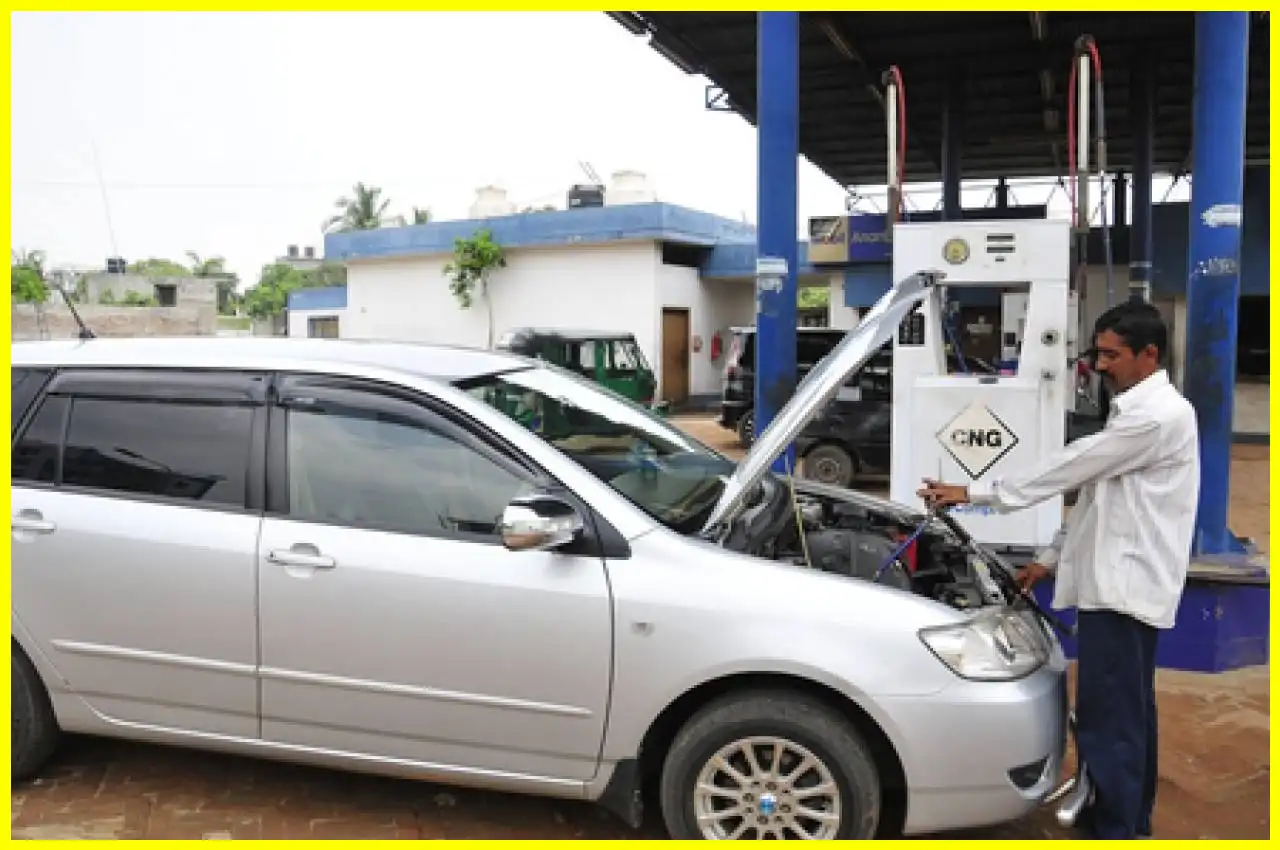
Dhaka, April 20: Tensions between Iran and the United States are impacting many countries, including Bangladesh. The nation is currently facing a fuel crisis, with long queues forming at petrol stations as fuel prices soar. Fears of a fuel shortage have prompted panic buying, severely disrupting daily life. Despite repeated assurances from officials that fuel supply remains stable, normalcy has yet to return, as reported by local media on Monday.
On April 18, the government announced a price hike via a notification from the Power, Energy, and Mineral Resources Division. Diesel prices have increased by 15 Bangladeshi Taka per liter, while octane, petrol, and kerosene have risen by 20, 19, and 18 Taka per liter, respectively. These new rates took effect on Sunday night.
Reports indicate that private car owners, public transport operators, and small business owners are waiting for hours to refuel, leading to significant losses in productivity and earnings. Abdul Karim, a ride-sharing driver from Mirpur, shared that the delays have impacted his income. He told the Dhaka Tribune, “I usually complete 12 to 14 trips a day, but now I lose two to three hours just waiting for fuel. My daily earnings have dropped by about 30%.”
Shahana Begum, a school teacher from Uttara, expressed her frustrations about her daily commute, stating, “I waited for nearly an hour and a half to refuel yesterday evening. Planning daily tasks is becoming stressful, as you never know how long the line will be.”
A senior official from the Bangladesh Petroleum Corporation (BPC) noted that short-term distribution adjustments and increased demand are putting pressure on operations. Speaking anonymously to the Dhaka Tribune, the official said, “There is no fuel shortage across the country, but demand has surged recently. Some stations are facing supply issues due to transport scheduling difficulties.”
During a media briefing in Dhaka, Power, Energy, and Mineral Resources Minister Iqbal Hasan Mahmud Tuku likened the situation to wartime conditions. He stated, “Fuel must be purchased with foreign currency. By slightly increasing prices, we are trying to stabilize the situation. The effects of war are felt worldwide.”
M. Shamsul Alam, an advisor to the Consumers Association of Bangladesh, criticized the decision to raise fuel prices, claiming it breaches public trust. He remarked, “By breaking their own rules regarding mid-month adjustments, they have undermined confidence.” While officials maintain that there is no fuel shortage, the persistent lines at petrol stations reflect flaws in the distribution system and a decline in public trust.
–

Leave a Comment