
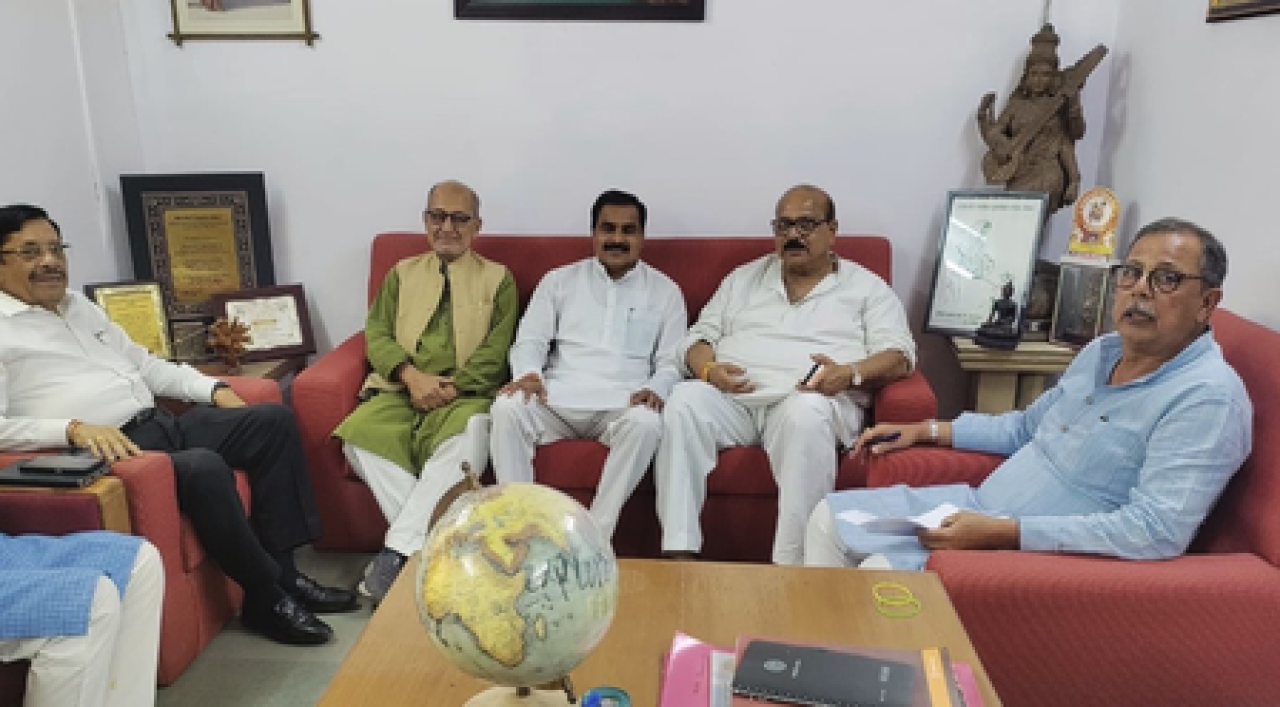

Bhopal, April 15: Senior Congress legislator and former opposition leader Ajay Singh raised concerns on Wednesday regarding the timing and implementation of the Women’s Reservation Bill in Madhya Pradesh. He accused the BJP-led central government of using this issue for political gain rather than genuinely empowering women.
Supporting Sonia Gandhi, Singh pointed out that her recent intervention highlighted serious flaws in what is being touted as a historic reform. He argued that while the government claims this law is groundbreaking, the conditions tied to its implementation raise questions about its true intentions.
Singh emphasized that the manner in which the bill has been drafted indicates that the BJP is more interested in garnering headlines than in genuinely empowering women. He stated that making women wait for years is unacceptable. The law, officially named the ‘Nari Shakti Vandan Adhiniyam,’ was passed during a special session of Parliament in September 2023. It provides for 33 percent reservation for women in the Lok Sabha and state assemblies. However, its implementation is linked to the next census and delimitation process. Critics argue that these conditions could delay its enactment for several years.
Singh reminded that Congress has previously demonstrated its commitment to women’s reservation. He recalled that the bill was passed in the Rajya Sabha during the United Progressive Alliance (UPA) government in 2010. He accused the BJP, which opposed the move at that time, of now reintroducing the issue without ensuring its timely implementation.
He also expressed concerns about the broader political implications of linking reservation to delimitation. According to Singh, such measures could disrupt the balance of political representation across different regions.
He stated that tying reservation to delimitation is not a fair administrative step; it has political consequences. This could lead to imbalances and raise questions about fairness, especially for states that have performed well in population control.
Singh further alleged that the central government’s approach is influenced by upcoming elections. He noted that while there is evident haste in announcements, there is a lack of clarity regarding their implementation. If the government’s intentions were indeed genuine, it would ensure immediate enforcement of the law.
–

Leave a Comment