
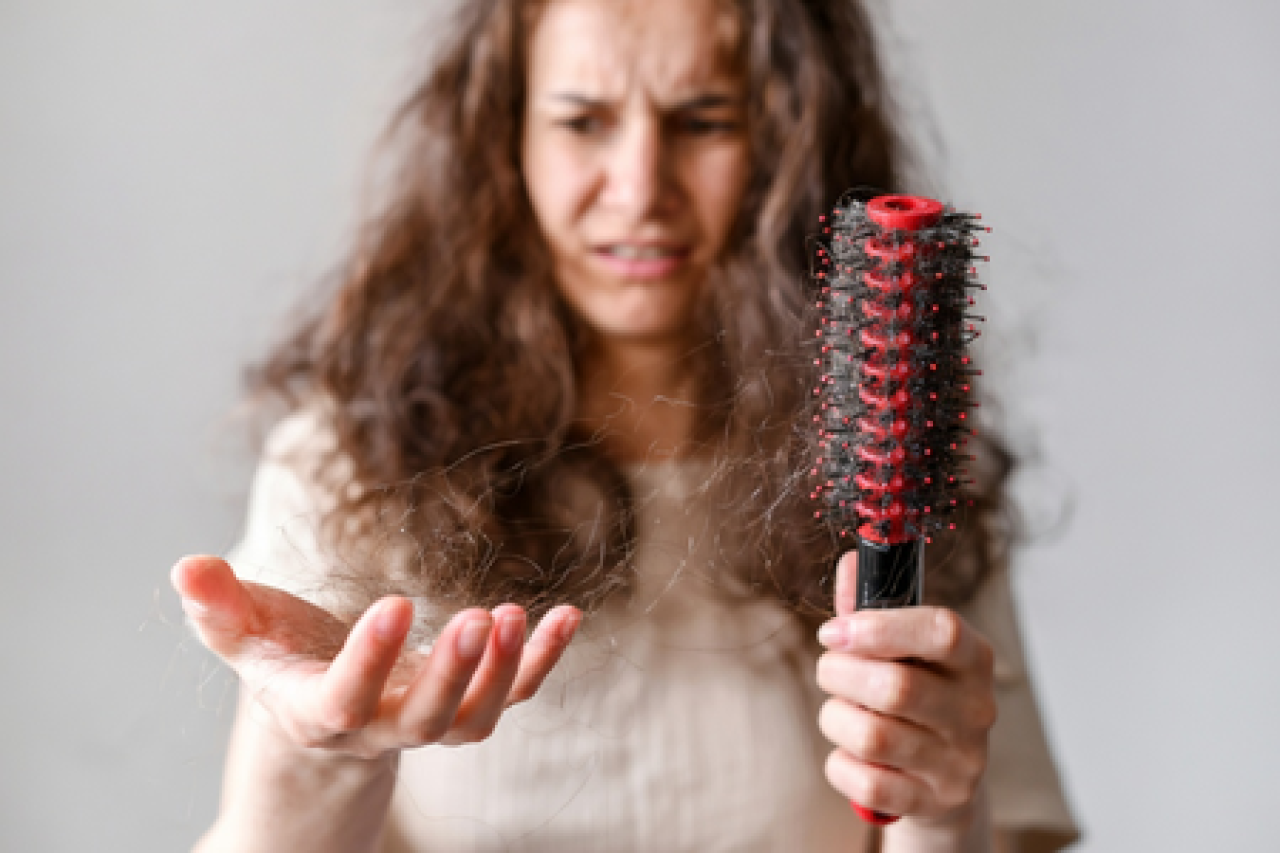

New Delhi, April 13: Hair fall has become a common yet serious issue in today’s world. Factors such as poor lifestyle choices, the increasing trend of fast food, irregular routines, and rising stress levels disrupt the body’s balance, directly affecting hair health. Many people attribute hair fall solely to external factors and frequently change shampoos or hair products. However, experts emphasize that the true strength of hair relies on internal nutrition.
When the body lacks essential vitamins and minerals, hair roots weaken, leading to increased hair fall. Health specialists indicate that proper nourishment and oxygen delivery to hair roots are crucial. Iron plays a vital role in this process. It aids in the formation of hemoglobin, which transports oxygen throughout the body via blood. A deficiency in iron can prevent sufficient oxygen from reaching the scalp, weakening hair follicles and accelerating hair loss.
Similarly, vitamin D is essential for hair growth. This vitamin helps keep hair follicles active, promoting the growth of new hair. A deficiency in vitamin D slows down the process of new hair formation, causing existing hair to fall out. Over time, hair may appear thinner and lifeless.
Vitamin B12 is another critical nutrient for hair. It assists in the production of red blood cells. A lack of B12 can reduce oxygen levels in the blood, hindering proper nutrition to hair roots. This deficiency impacts hair growth, leading to weaker strands that break easily. Prolonged deficiency can exacerbate hair fall issues.
Hair primarily consists of a protein called keratin. Therefore, a deficiency in protein directly affects hair health. Without adequate protein, the body prioritizes essential organs, slowing hair growth. This can result in hair becoming thin, weak, and prone to breakage. Hence, a balanced diet rich in protein is crucial.
Zinc is another mineral that helps maintain a healthy scalp. It strengthens hair roots and aids in the formation of new cells. A zinc deficiency can lead to a dry scalp, increased dandruff, and accelerated hair loss.
Experts suggest that preventing hair fall requires not only external care but also internal nourishment. Incorporating green vegetables, fresh fruits, lentils, milk, and nuts into daily diets is essential. These foods provide the necessary vitamins and minerals to strengthen hair roots.
–

My name is Narendra Jijhontiya. I am an experienced content writer with several years of expertise in the field. Currently, I contribute to Daily Kiran, creating engaging and informative content across a variety of categories including TECHNOLOGY, health, travel, education, and automobiles. My goal is to deliver accurate, insightful, and captivating information through my words to help readers stay informed and empowered.
Leave a Comment