
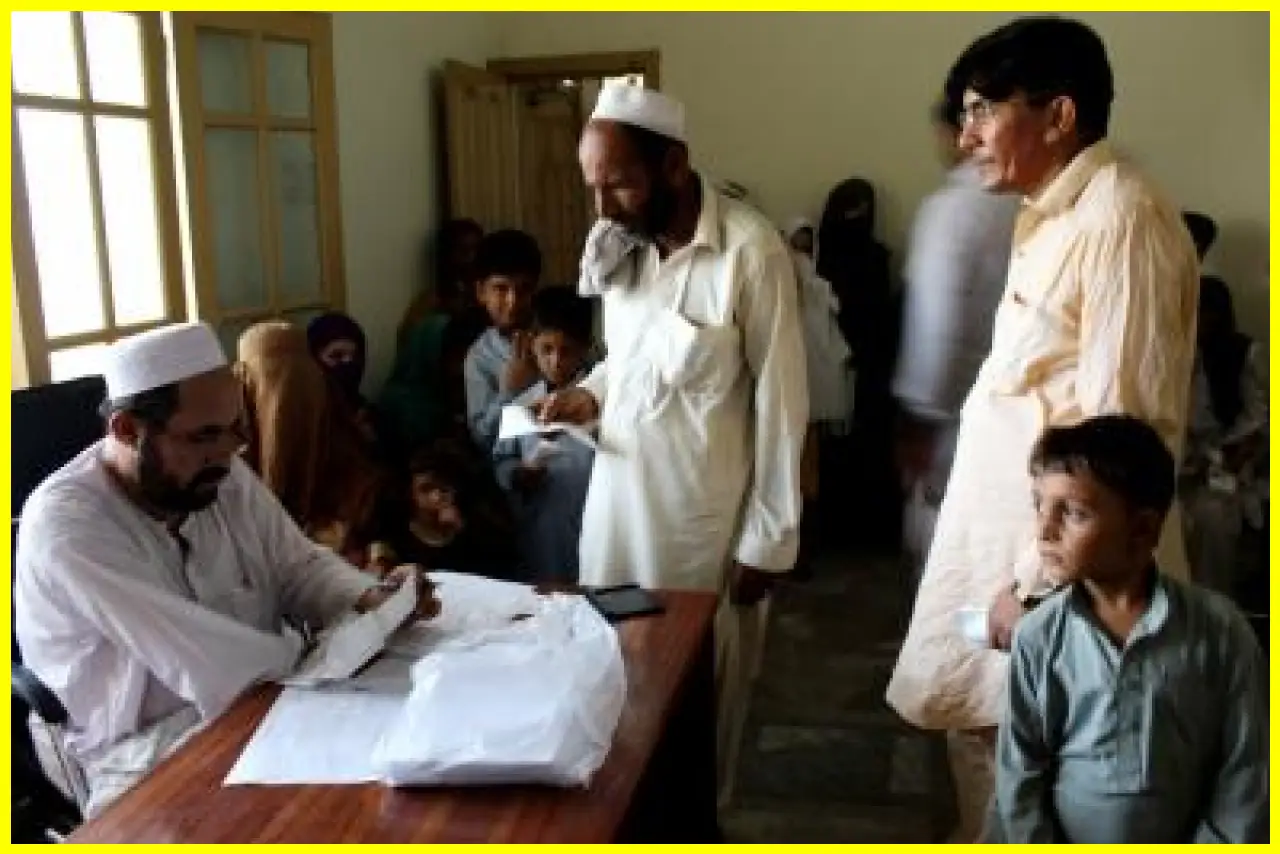
London, April 18: Global criticism of Pakistan’s “Illegal Foreigners Repatriation Plan” (IFRP) has intensified. A recent report highlights that this policy has become a significant example of forced deportation, prioritizing political interests over human lives.
According to the UK-based newspaper Asian Light, over 2 million Afghan refugees have been sent back from Pakistan under this plan, initiated in October 2023, by early 2026. This includes many individuals who possessed valid documentation.
The report indicates that during this campaign, there have been numerous allegations of arbitrary arrests, extortion, and coercion to force individuals to leave the country. International human rights organizations and the United Nations have criticized this policy as opaque and discriminatory.
The assessment conducted until February 2026 revealed that over 1 million Afghans were returned, despite facing severe shortages of basic amenities.
Amnesty International has condemned the IFRP, labeling it “illegal and inhumane.” In March 2025, the organization called for the withdrawal of this plan, stating that it portrays Afghans as “criminals and terrorists,” despite their refugee status and the severe threats they face under Taliban rule in Afghanistan.
The report also notes that the policy violates the principle of non-refoulement, which prohibits returning any refugee to a place where they face persecution, violence, or torture. This is a breach of the 1951 Refugee Convention and the International Covenant on Civil and Political Rights.
Furthermore, many Afghan refugees in Pakistan have reported extortion, physical abuse, and arbitrary arrests during nighttime raids by police. Some families have even resorted to bribery to avoid detention.
In the second phase, which began in April 2025, 230,500 Afghans returned, with 42,800 being forcibly deported. Among them, 70% were undocumented, 19% held Afghan Citizen Cards, and 11% possessed Proof of Registration Cards.
The report emphasizes that this crisis has disproportionately affected women and children, who have faced family separations, lack of housing upon return, and ongoing threats of retaliation from the Taliban.
While the international community has expressed concern over this issue, concrete actions have been limited. The United Nations High Commissioner for Refugees (UNHCR) has increased monitoring and relief efforts at the border and has called for an end to forced deportations, urging the renewal of registration for nearly 1.4 million refugees.
–

My name is Narendra Jijhontiya. I am an experienced content writer with several years of expertise in the field. Currently, I contribute to Daily Kiran, creating engaging and informative content across a variety of categories including TECHNOLOGY, health, travel, education, and automobiles. My goal is to deliver accurate, insightful, and captivating information through my words to help readers stay informed and empowered.
Leave a Comment