
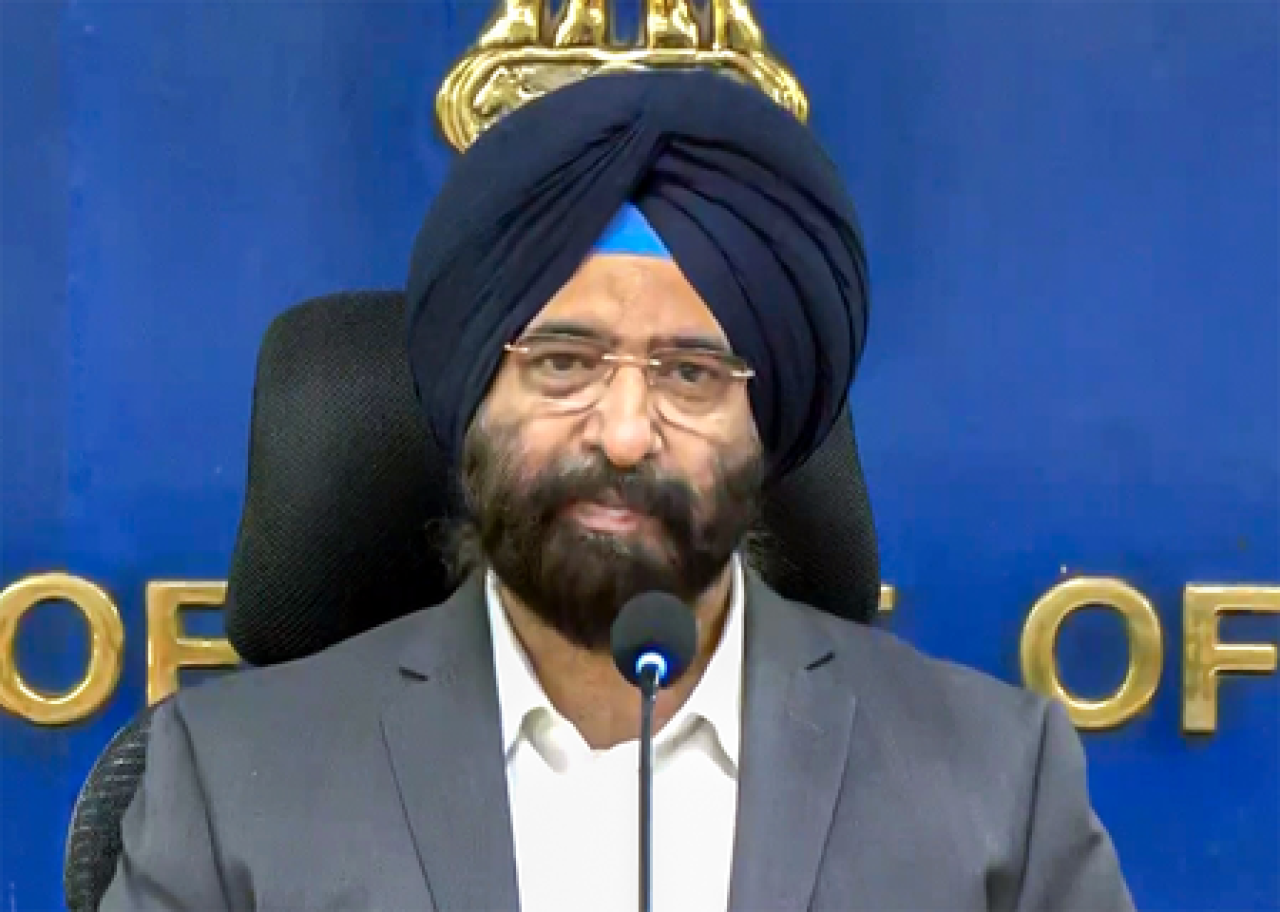

New Delhi, April 14: The Delhi government, led by Minister Manjinder Singh Sirsa, has directed the Environment Department to conduct a comprehensive study on the implementation of a Deposit Return Scheme (DRS) to tackle the issue of non-biodegradable waste.
During a high-level meeting chaired by Sirsa, senior officials discussed the serious problems associated with plastic and other waste. This waste is clogging drains, polluting water sources, damaging soil, and increasing air pollution through open burning.
Sirsa emphasized, “This scheme has been successful in other states, and Delhi should consider adopting it to address its urban challenges and achieve quick and tangible results.”
He has issued standing orders for the Environment Department to conduct a detailed study of these models, develop a suitable DRS framework for Delhi, and prepare a comprehensive proposal within a month. This proposal should include a financial mechanism, institutional arrangements, stakeholder responsibilities, and an implementation strategy.
Highlighting the public interest aspect of this initiative, Sirsa stated, “By involving citizens, businesses, and recyclers, the DRS will not only reduce pollution but also help make Delhi cleaner and greener. Under Chief Minister Rekha Gupta’s vision, we are making every effort to ensure Delhi is sustainable and breathable.”
This initiative reflects the Delhi government’s innovative and citizen-centric approach towards a pollution-free future.
The Deposit Return Scheme (DRS) operates on an incentive-based system, where a small refundable deposit is collected at the time of purchase for items like plastic bottles or packaging. Consumers receive this deposit back when they return these empty items to designated collection points, such as stores or recycling centers.
This system enhances proper waste segregation and recycling while reducing littering. States like Goa, Himachal Pradesh, and Uttarakhand have successfully implemented DRS, yielding positive results.
Over 40 countries worldwide have adopted DRS, with reports indicating return rates exceeding 90%. In countries like Germany and Sweden, this rate is reported to be around 96%.
The DRS helps the government reduce waste management costs while fostering responsible waste disposal habits among the populace.
–

Leave a Comment