
New Delhi, April 19: International Yoga Day is just a few weeks away. Celebrated on June 21, 2026, now is the perfect time to prepare for this special occasion. If you are new to yoga or looking to incorporate it into your routine, the Common Yoga Protocol (CYP) is an excellent starting point.
Designed specifically by the Ministry of AYUSH for beginners, this protocol offers a simple and effective way to keep the body fit and the mind healthy. So, what exactly is the Common Yoga Protocol?
The Common Yoga Protocol (CYP) is a standardized 45-minute yoga practice program. It has been made accessible for individuals of all ages, aiming to bring yoga to the general public so they can benefit from health, peace, and harmony. It is based on the principles of breath, stretch, and transform—focusing on proper breathing, stretching the body’s muscles, and fostering positive changes in personality.
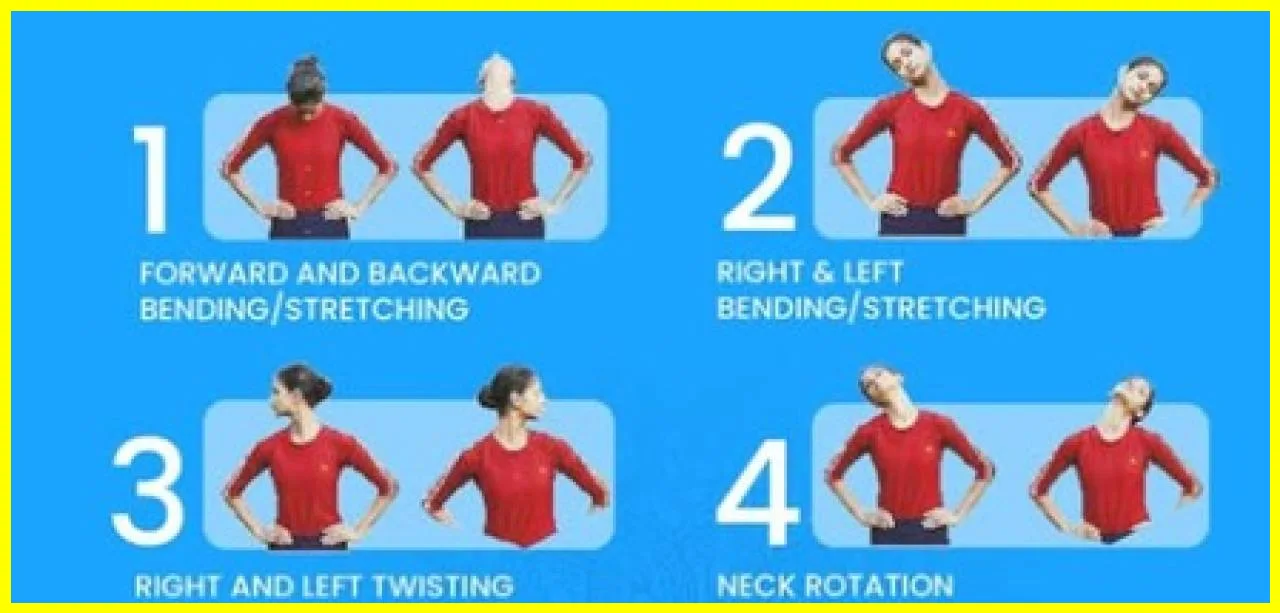
This protocol is primarily divided into four stages, preparing the body for flexibility and yoga postures. The first stage involves forward and backward bending and stretching, targeting the front and back muscles. The second stage focuses on bending and stretching to the right and left, strengthening the waist and side muscles. The third stage includes twisting to the right and left, enhancing the flexibility of the neck, shoulders, and joints. The fourth stage involves rotating the neck, which relaxes the neck muscles.
Following these stages, relaxation techniques or loosening practices are performed. This includes neck movements, shoulder rotations, waist movements, and knee exercises. These actions help to increase the flexibility of the joints that are heavily utilized during yoga. Regular practice can alleviate cervical issues, stress, muscle tension, back pain, and breathing difficulties. Additionally, it promotes mental calmness, enhances concentration, and improves overall health. These exercises should be repeated 5 to 10 times and can be performed while standing or sitting.

Leave a Comment