
New Delhi, April 19: In today’s fast-paced world, stress, fatigue, and mental burdens affect everyone. Work pressure, lack of sleep, and constant worries weaken both the body and mind. In this context, Yoga Nidra emerges as the easiest, most effective, and scientifically-backed method to recharge oneself.
Yoga Nidra, also known as ‘yogic sleep,’ is neither complete sleep nor a fully awake state. It is a deep state of relaxation that lies between the two, where the body is completely relaxed while the mind remains fully aware and alert.
According to the Morarji Desai National Institute of Yoga, regular practice of Yoga Nidra rejuvenates the body and calms the mind. It is not a complex yoga pose but rather a method of deep relaxation that anyone, regardless of age, can easily practice.
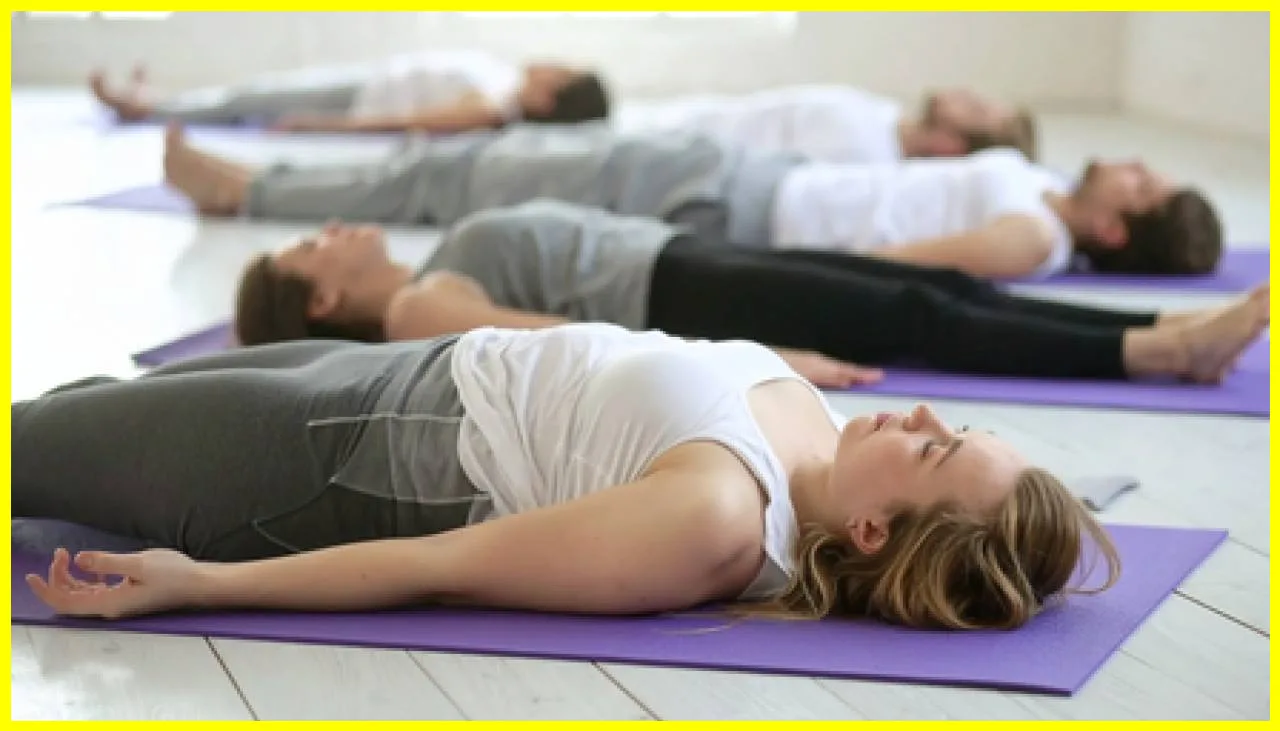
To practice Yoga Nidra, begin by lying in the Shavasana pose. Lie flat on your back with arms and legs relaxed, close your eyes, and let your body go completely limp. The practice is often guided by an instructor or through audio, focusing sequentially on each body part—from the toes to the head. Attention is directed to the breath, freeing the mind from thoughts. A typical session lasts between 20 to 40 minutes.
It is advisable to learn Yoga Nidra under the supervision of a yoga instructor initially. This practice quickly reduces stress and anxiety, alleviates insomnia, enhances deep sleep, improves concentration and memory, and helps regulate blood pressure. It lowers stress hormones (cortisol) and strengthens the immune system, maintaining emotional balance.
The greatest benefit of Yoga Nidra is its ability to recharge both body and mind in a very short time. Just 20-30 minutes of practice can dispel the fatigue of an entire day. Experts recommend practicing Yoga Nidra at a consistent time daily, preferably in the evening or after lunch. Choose a quiet and comfortable place free from noise or distractions for the practice.

Leave a Comment