
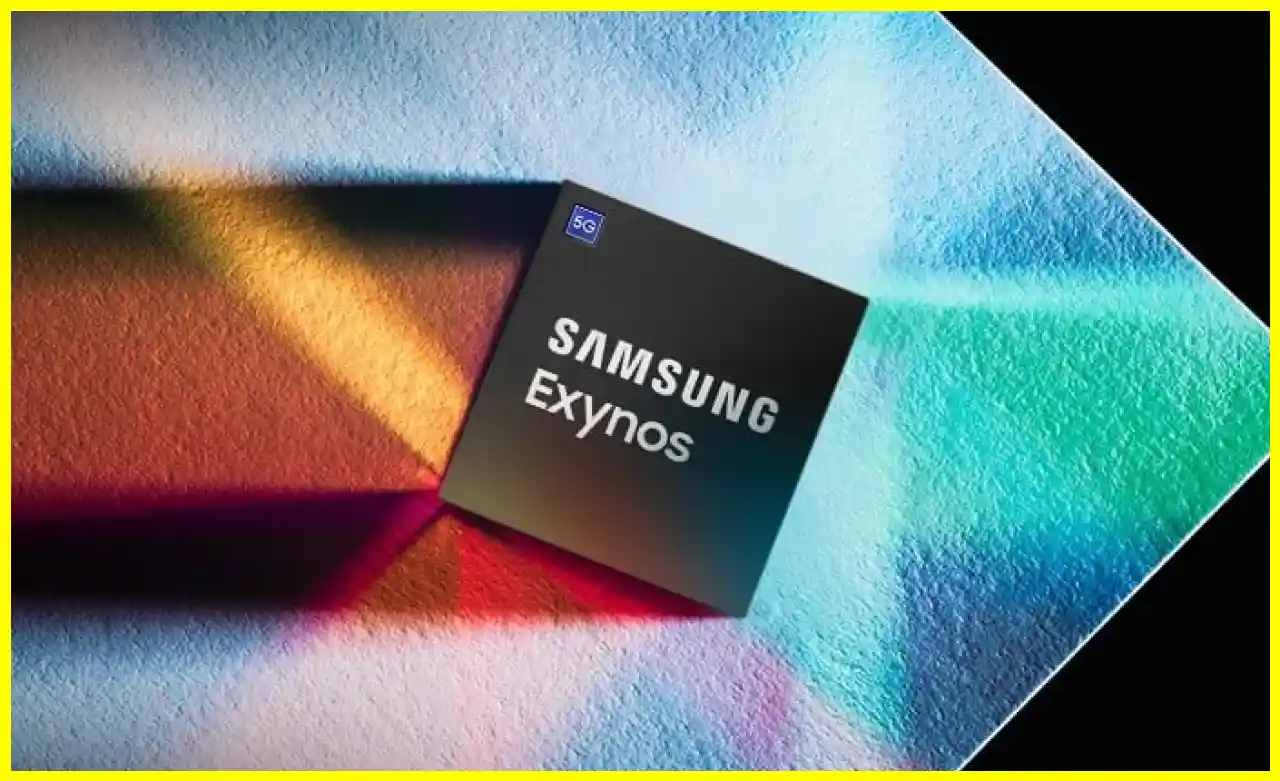

Mumbai, April 14: Samsung is making a significant shift towards its own processors for the upcoming Galaxy S27 series. Recent reports indicate that the tech giant intends to increase the use of Exynos chips, aiming to reduce its reliance on Qualcomm. The primary motivation behind this move is the rising costs of Snapdragon processors. For the Galaxy S25 lineup, Samsung exclusively utilized Qualcomm’s flagship chip, which resulted in expenses nearing 3 trillion won.
Continuing on this path may not simplify matters for Samsung. The Snapdragon 8 Elite Gen 6 Pro, expected to power the Galaxy S27 Ultra, is anticipated to transition to TSMC’s pricier 2nm process, likely driving costs even higher. Consequently, Samsung faces a choice: absorb the increased costs, pass them onto consumers, or rely more on its own chips to manage manufacturing expenses.
The decision to pivot towards Exynos is not unexpected. However, real-world performance evaluations of the Exynos 2600 reveal a mixed performance. While it excels in certain areas, it still lags behind Snapdragon in terms of power efficiency, thermal management, and battery longevity.
For the Galaxy S27 series, Samsung is reportedly targeting a 50% distribution between Snapdragon and Exynos processors. This marks a significant increase and reflects the company’s growing confidence in its own technology.
Nevertheless, this strategy carries inherent risks. The Exynos line has historically struggled against Snapdragon in practical applications. However, recent iterations have shown improvement, and Samsung has a compelling incentive to continue advancing its chip technology.
This shift appears to be a long-term adjustment. Over-reliance on Qualcomm has proven costly, prompting Samsung to seek a more balanced approach. The success of this strategy will hinge on the power efficiency and stability of the Exynos 2700. If it can deliver consistent performance in everyday use, Samsung may finally achieve the equilibrium it has been striving for.

Leave a Comment