
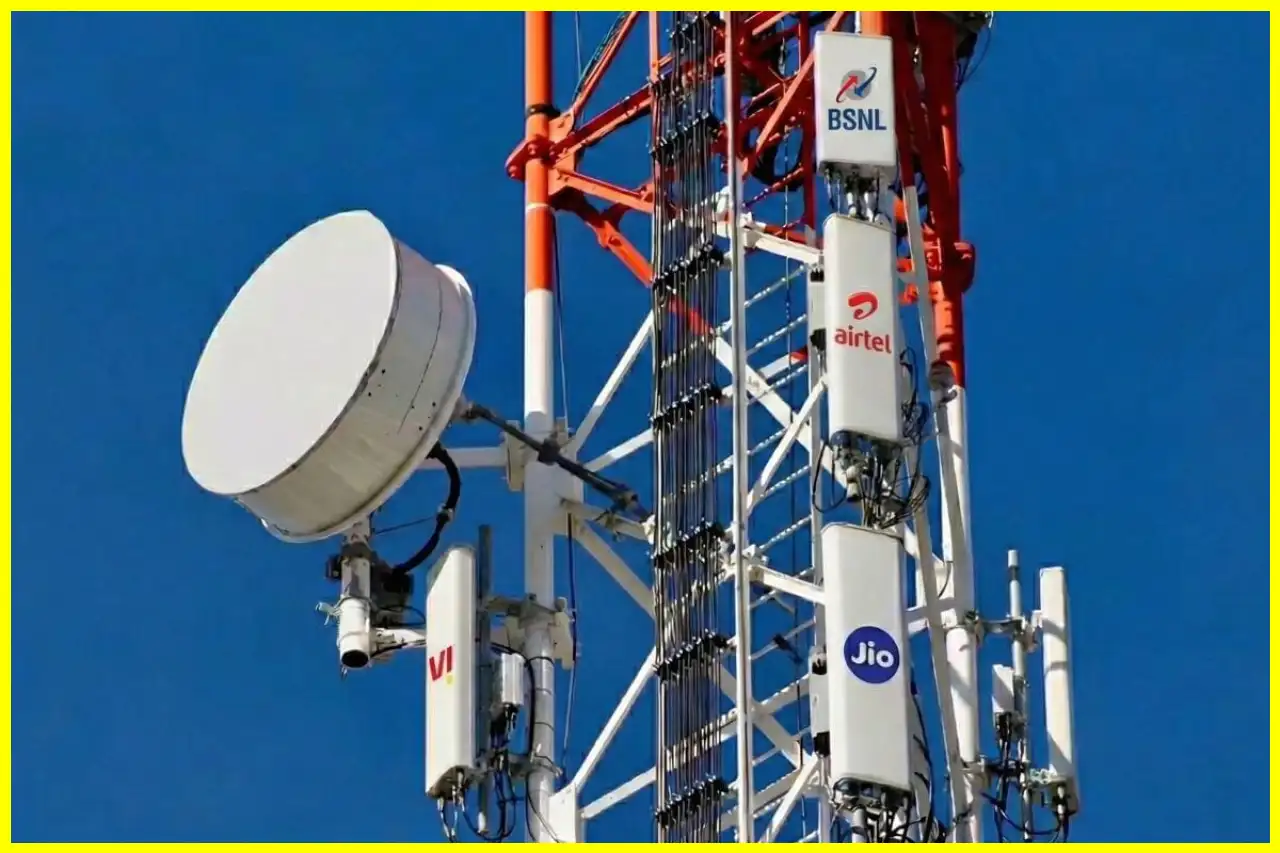

Mumbai, April 14: India’s telecom infrastructure is experiencing significant disruptions as the ongoing conflict in West Asia begins to affect connectivity, logistics, and equipment supply. Telecommunication infrastructure providers and equipment manufacturers have reported that freight route blockades and geopolitical instability are driving up transportation and insurance costs for imported telecom equipment. Additionally, these factors are delaying shipments critical to network operations, according to an Economic Times report dated April 13, 2026.
Diesel Restrictions Disrupt Tower Operations
The Digital Infrastructure Providers Association (DIPA) has raised concerns with the Department of Telecommunications and state authorities regarding operational challenges. DIPA represents India’s digital infrastructure industry, which develops, builds, owns, and operates the nation’s wireless infrastructure.
The association noted that telecom field personnel are being denied the purchase of diesel in containers at fuel stations due to restrictions aimed at curbing public hoarding. However, the industry emphasizes that telecom towers are classified as essential infrastructure and require an uninterrupted fuel supply.
Several districts across states, including Uttar Pradesh, Maharashtra, and Madhya Pradesh, have imposed curbs on diesel sales in containers, leading fuel stations to halt supplies to telecom teams. According to DIPA, this has disrupted the routine refueling of telecom towers, with Maharashtra already experiencing adverse effects on network continuity.
Power Outages Increase Dependence on Generators
The situation is further complicated by widespread power outages in several states, with disruptions lasting between four to six hours daily. This has significantly increased reliance on diesel generators for backup power.
“Telecom networks depend critically on an uninterrupted power supply, especially in rural and remote areas where the grid power supply is erratic,” the industry body stated. They added that diesel is required routinely to run diesel generator sets at mobile tower sites to ensure continuous, round-the-clock availability of telecom networks.
Manufacturing Faces LPG Supply Constraints
Supply chain challenges are also emerging in telecom tower manufacturing due to restrictions on liquefied petroleum gas (LPG) and liquefied natural gas. DIPA noted that the stoppage of LPG supplies to galvanization units, which are critical for tower manufacturing, could delay network expansion and infrastructure rollout.
Equipment Deliveries Delayed Amid Rerouted Shipping
Meanwhile, the Telecom Equipment Manufacturers Association (TEMA), which represents global players such as Ericsson and Nokia, reported significant delays in equipment deliveries. Shipments that previously took a week are now taking up to a month, as vessels are rerouted along longer paths due to the conflict. The resulting logistical bottlenecks have sharply increased delivery timelines and operational costs.
“Logistics have become a major problem with ships being forced to take much longer, rerouted paths, which has significantly increased delivery times,” a TEMA spokesperson stated.
Capex Slowdown Expected in West Asia
Additionally, Commtel Networks, which provides telecom networks to critical infrastructure sectors, has indicated that it expects a halt on new capital expenditure and requests for quotations in West Asia.

My name is Himanshu Tiwari. I am an experienced content writer with several years of expertise in the field. Currently, I contribute to Daily Kiran, creating engaging and informative content across a variety of categories including TECHNOLOGY, health, travel, education, and automobiles. My goal is to deliver accurate, insightful, and captivating information through my words to help readers stay informed and empowered.
Leave a Comment