
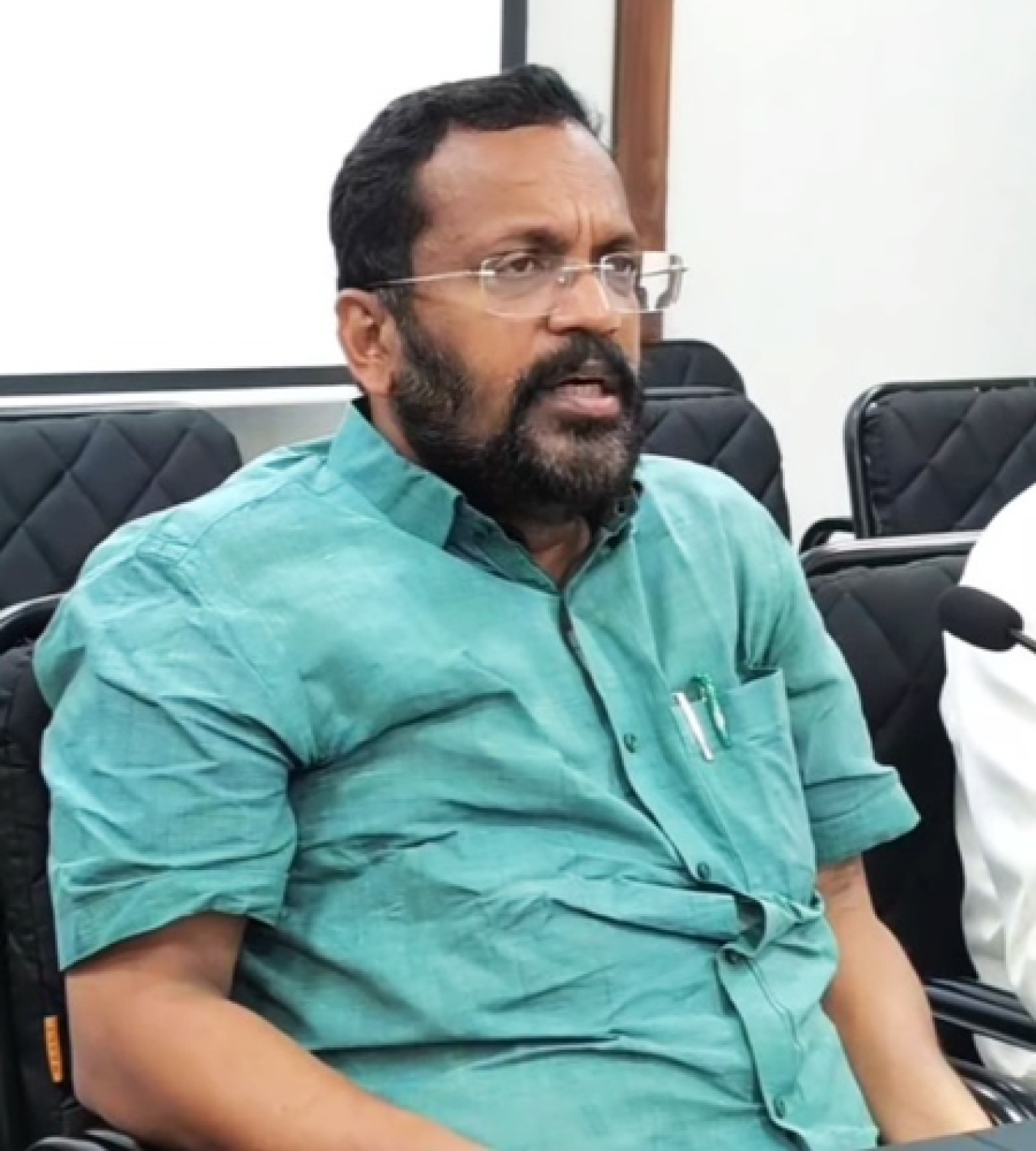

Kalpeta, April 18: Concerns regarding the rehabilitation of landslide victims in Wayanad, Kerala, have intensified. On Saturday, the state’s Revenue Minister K. Rajan visited the township project at Elston Estate, sparking renewed debates about construction quality, delays, and accountability.
During his inspection of a house in the Mundakkai-Choorlamala rehabilitation township, reports of cracks emerged. Local leaders from the ruling Left party accompanied him, and police were deployed in anticipation of potential protests.
The inspection revealed signs of seepage on the roof. However, Minister Rajan dismissed allegations of structural cracks, stating they were merely water stains. He clarified that the homes had not yet been formally handed over to beneficiaries, and only land leases had been distributed so far.
He stated, “If any issues arise after the handover, they will be taken seriously, and the contractor will be held accountable as per the contract.” He assured that the state government would take necessary corrective measures.
The project, which comprises approximately 410 homes, is expected to be completed by October. There have been discussions about actions against those responsible if the work is not finished within the stipulated timeframe.
Meanwhile, the Youth Congress has announced a protest at the project site, further heating the political atmosphere.
It is noteworthy that hundreds were left homeless after a devastating landslide in July 2024. Many victims are still waiting for permanent housing.
Initially, over 1,000 families were identified for rehabilitation, but this number has now dwindled to around 451, raising questions about transparency and eligibility.
Serious allegations about construction quality have also surfaced. Reports indicate signs of damage in homes built at a cost of around 3 million rupees, even before occupancy. Official claims suggest that over 170 homes are complete, but ground reports indicate that very few are livable, with many lacking essential work.
Additionally, questions have arisen regarding the use of millions in funds allocated after the disaster. The lack of clear accounting has raised suspicions of mismanagement.
Local residents allege widespread irregularities, evidenced by incomplete infrastructure and poor construction quality.
The issue of livelihoods for indirectly affected individuals, such as small traders and plantation workers, has also been overlooked.
While the state government defends its position and promises improvements, the visible shortcomings on the ground are exacerbating the concerns of the victims.

Leave a Comment